Friends of Gualala River Protecting the Gualala River watershed and the species living within it
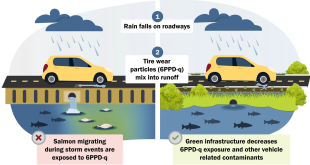
Tires treated with 6PPD (which becomes 6PPD-Q) will be with us for a very long time before manufacturers find new alternatives and old tires are removed from the environment. These toxic compounds will continue to affect human health and the health of the environment for decades to come. But in the meantime, here are a few simple steps that you can take to reduce the release of 6PPD-Q into the watershed and reduce your own exposure to this environmental contaminant.
1. Reduce tire wear.
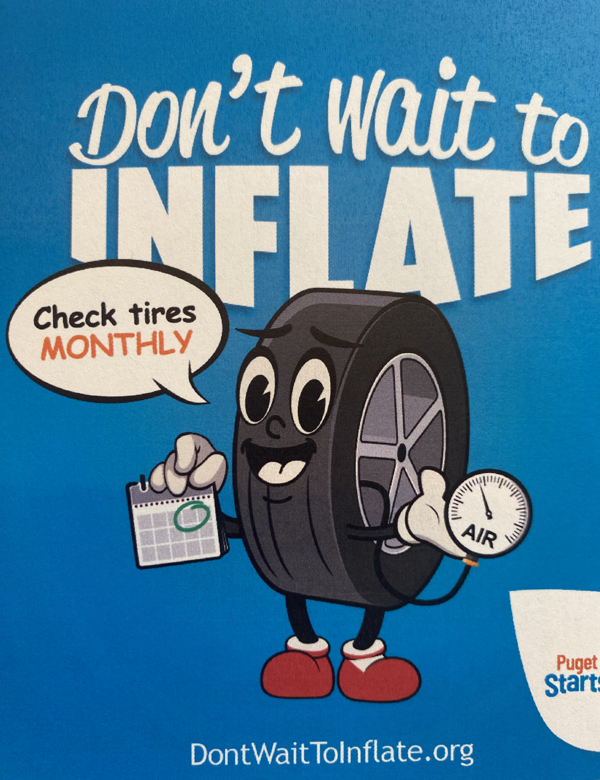
- Inflate tires correctly: Keep tires properly inflated to minimize wear. Don’t wait to inflate! Checking tire pressure monthly helps drivers stay safer, save money – and save salmon.
- Drive carefully: Avoid aggressive driving and maneuvers that increase tire abrasion, such as speeding, quick turns and sudden stops, especially in town and between the Gualala River bridge and the north end of town. This is the area where stormwater concentrates and flows into the estuary / lagoon.
- When in town doing errands, park and walk to your different stops.
- Carpool when possible.
2. Manage stormwater and other runoff.
- Install green infrastructure: Install rain gardens and bioswales on your property to capture and treat stormwater runoff before it reaches waterways.
- Capture roof water and either store it for use or clean and recharge your ground water by letting the runoff soak in to the ground with a spreader pipe.
- Use permeable surface driveways: Consider permeable driveways to allow water to soak into the ground rather than running off.
- Wash your car on a permeable surface such as soil or grass or better yet at a commercial car wash where runoff is captured.
- Power wash your vehicles on a permeable surface.
3. Reduce your exposure to rubber. Don’t re-use tire rubber.
- Don’t use crumb rubber or other recycled tire products in playgrounds, shoes, and other products. Don’t use old rubber tires as bumpers on docks. Always wash your hands after handling tires.
4. Dispose of tires properly.
- Recycle old tires: Take your old tires to the transfer station. Don’t dump them in the river or in the wild.
5. Join the Conversation and Advocate for Change.
- Support local projects: Support local initiatives and organizations that work on stormwater management projects in your community. Encourage businesses to capture their roof water.
- Urge manufacturers and legislators to prioritize the development and use of safer alternatives to 6PPD.
- Stay informed: Follow news and research from organizations like the US Environmental Protection Agency and the Interagency Regulatory Council to stay informed about the issue and potential solutions.
ABOVE ALL — NEVER DRIVE IN THE RIVER!
Driving crushes wildlife and increases pollution of 6PPD-Q in the river.
For more information, see:
FoGR and The Stream Team Find Tire Grit Toxin in Gualala’s Stormwater